Information
Landmark: Catedral Metropolitana de SucreCity: Sucre
Country: Bolivia
Continent: South America
Catedral Metropolitana de Sucre, Sucre, Bolivia, South America
Overview
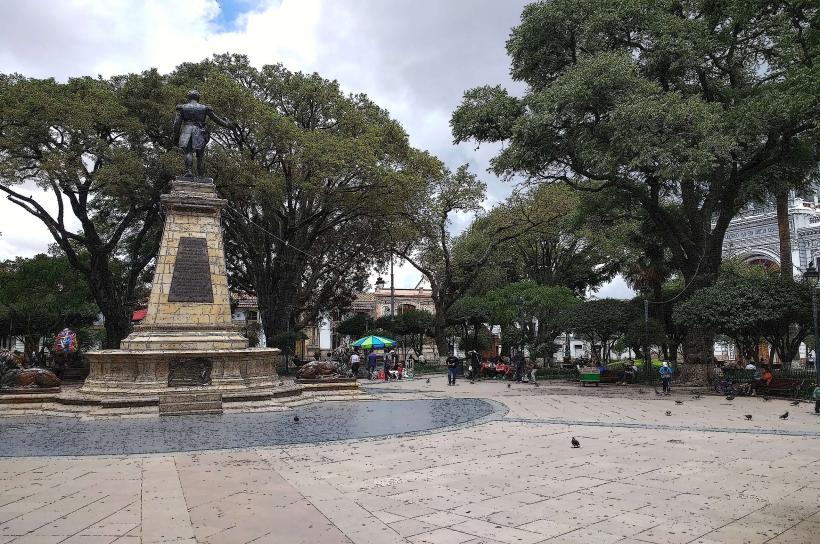
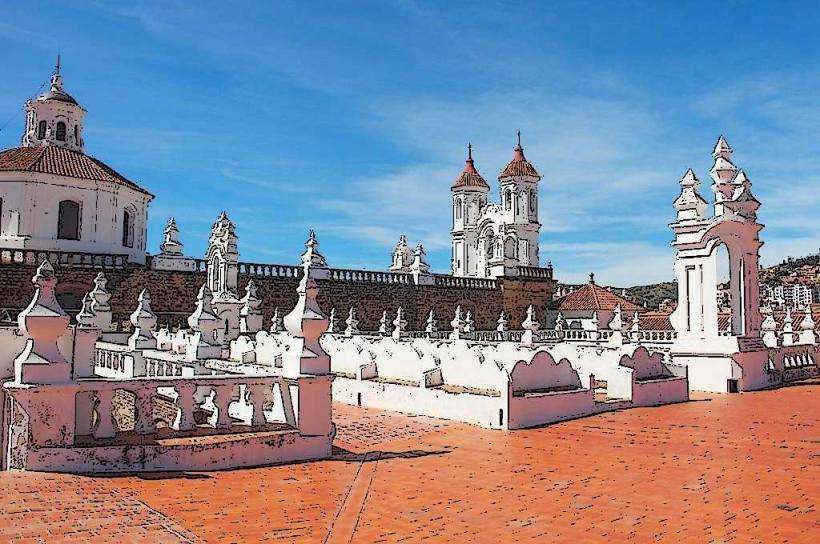
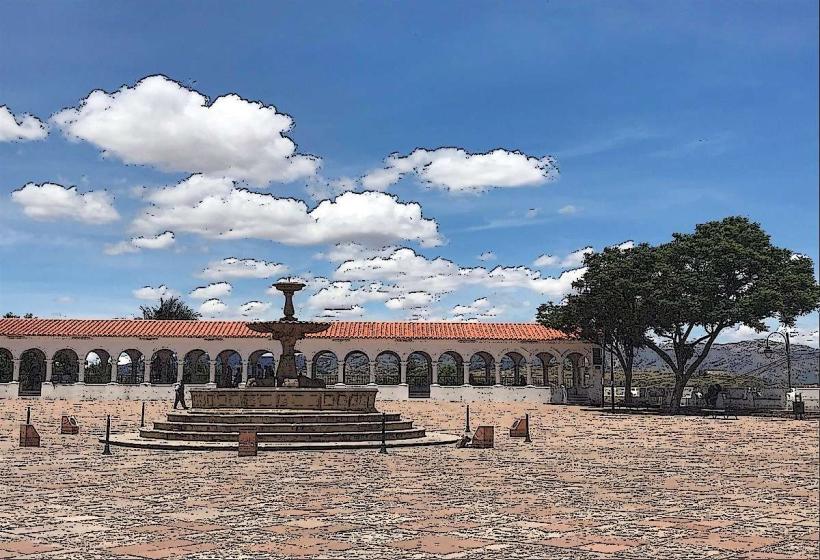
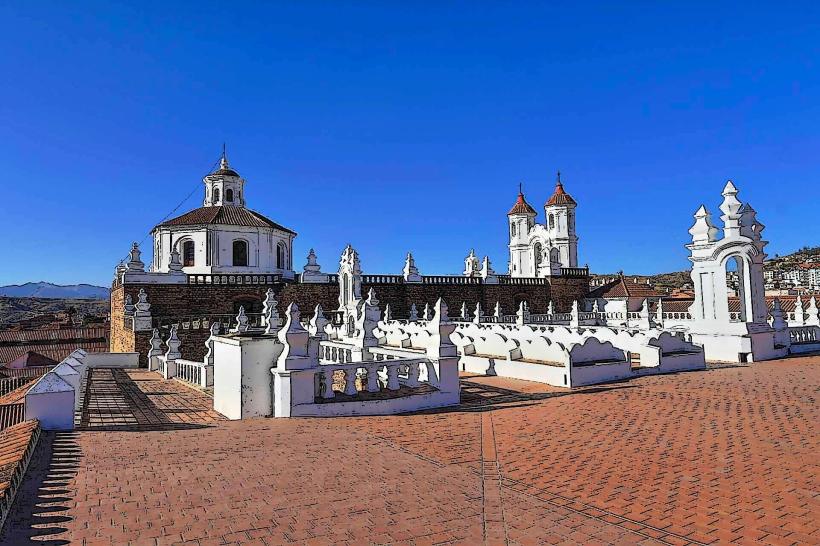
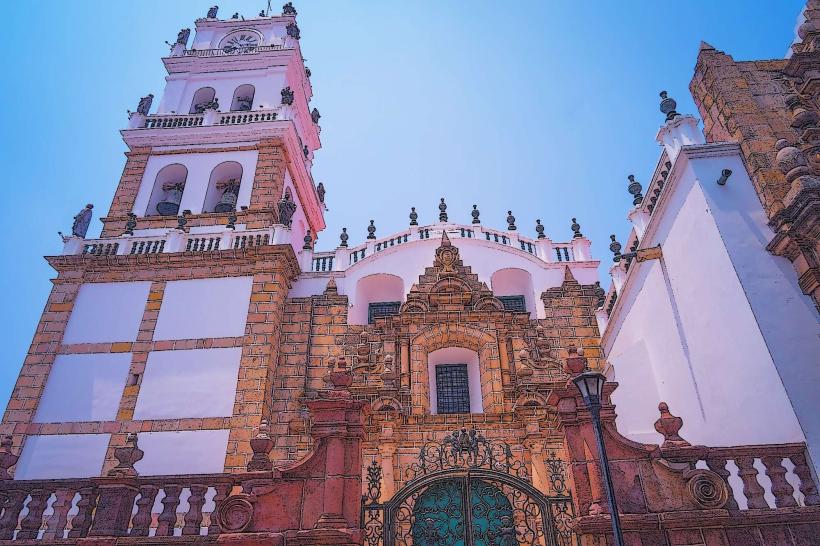
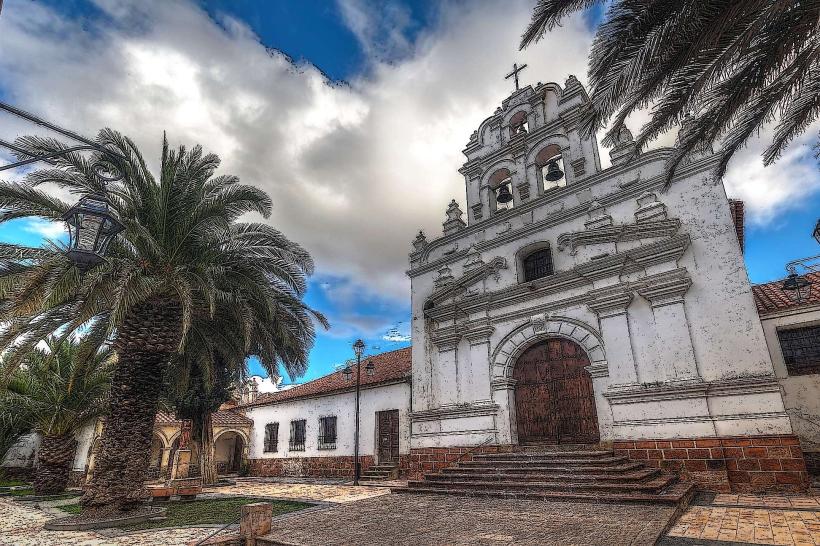
The Catedral Metropolitana de Sucre, or Metropolitan Cathedral, stands as one of Sucre’s most treasured landmarks, its white stone façade catching the midday sun, as well as the cathedral rises over the square, a reminder of the city’s colonial past, its deep-rooted faith, and the traditions still alive in its worn stone steps, partially Right in the middle of Sucre’s historic Plaza 25 de Mayo, it serves as both a site of worship and a striking architectural landmark, its white stone catching the afternoon sun, as a result the Catedral Metropolitana de Sucre stands on the east side of Plaza 25 de Mayo, the lively heart of the city where pigeons scatter across the stone tiles, a little The cathedral stands in the heart of the city’s historic center, a UNESCO World Heritage Site known for its finely kept colonial-era buildings with sun-faded facades, in addition standing in the heart of the city, the cathedral draws constant crowds and is instantly recognizable, its stone spire catching the afternoon light.To be honest, The Metropolitan Cathedral of Sucre traces its roots to the earliest years of Spanish colonial rule in Bolivia, when fresh-cut stone echoed under the hands of its builders, as well as the building you view today, which took the venue of an older church, rose slowly between 1559 and 1712, stone by weathered stone.It grew into Sucre’s main religious center, a venue where bells rang at dawn and faith shaped the region’s cultural life, in turn the cathedral has stood through some of Bolivia’s most pivotal moments, especially in the charged days of the independence era, when its bells rang over the crowded square.Sucre played a vital part in Bolivia’s struggle for independence from Spain, and for centuries its cathedral has stood at the heart of countless religious and national celebrations, from solemn candlelit masses to jubilant parades spilling into the square, to boot it’s woven into the nation’s identity and has evolved through years of change, from careful restorations to tiny structural tweaks that kept pace with the city’s rising hum of life.The Catedral Metropolitana de Sucre showcases colonial-era design at its finest, weaving together Baroque curves, Renaissance symmetry, and the clean lines of Neoclassicism beneath its sunlit stone façade, simultaneously the cathedral’s towering facade rises with carved stone vines, sturdy columns, and graceful arched windows, each piece showing the precise colonial craftsmanship of its era.As it turns out, Among the cathedral’s most striking features is its facade, where twin bell towers soar high, their stone catching the late-afternoon light as they watch over the city, on top of that the towers rise with domed roofs and intricate carvings, standing out as one of the cathedral’s most striking features.Somehow, Inside, the cathedral glows with gilded altarpieces, carved wooden saints, and vivid paintings that capture the splendor of colonial religious art, alternatively the altar, framed by intricate wooden carvings and flashes of gold leaf, stands out as a striking example of Baroque-style religious art.Inside the cathedral, a wide nave stretches out, lined with polished wooden pews where worshippers settle in, the faint scent of historic varnish lingering in the air, likewise the structure opens into a vast, airy hall, built to welcome the congregation for worship and sacred rites.Vaulted Ceilings: The cathedral’s soaring arches draw the eye upward, their curves amplifying the feeling of height and open space, likewise the ceilings glow with intricate frescoes and sacred motifs, each scene telling a biblical story-angels in flowing robes, symbols etched in gold.Organ: Inside the cathedral stands an organ, its polished wood and gleaming pipes carefully restored over the years, on top of that this remarkable part of the cathedral’s history still comes alive during special services and concerts, its polished brass catching the glow of candlelight.Believe it or not, Main Altar: At the heart of the cathedral stands the main altar, a dazzling blend of carved wood and gold leaf that glows warmly under the light, showcasing the rich detail of Baroque craftsmanship, equally important carved into its surface are religious figures-saints with solemn faces and angels whose wings seem ready to stir the air.Inside the cathedral, you’ll find several petite chapels, including one devoted to the Virgen de Guadalupe, where candles flicker in the dim light, also for local worshippers, this chapel holds deep meaning, since the Virgen de Guadalupe-whose image glimmers in candlelight-is one of the most cherished figures in Bolivian Catholicism.The cathedral still serves as a living destination of worship, where sunlight spills through stained glass during Mass, weddings, and funerals, along with other religious ceremonies, and it’s also where people gather to celebrate major religious days like Christmas, Easter, and Bolivia’s Independence Day on August 6, when the air fills with music and the smell of fresh bread.If I’m being honest, Inside the Catedral Metropolitana de Sucre, a slight museum showcases silver chalices, centuries-vintage relics, and paintings that trace both the church’s past and its setting in Sucre’s history, meanwhile cathedral visiting hours: it’s usually open during the day, welcoming tourists who wander the cobbled streets of Sucre’s historic center.You’re welcome to step inside, take in the soaring arches, and quietly watch the service-just be sure to show respect when Mass is underway, after that dress Code: Because the cathedral is a area of worship, visitors should wear modest clothing-think covered shoulders and knee-length skirts.When you step into a church or any sacred area-especially in a country where Catholicism shapes daily life-it’s expected you dress respectfully, maybe with covered shoulders and modest colors, furthermore guided tours offer visitors a chance to grasp the cathedral’s full story-its history, its culture-even the faint scent of historic stone as you wander beneath its arches.Local guides can share stories about the building’s past, point out the meaning behind its carved stone arches, and describe the rituals that have filled its halls for hundreds of years, at the same time you can easily meander to the Catedral Metropolitana de Sucre from many of the city’s main attractions, passing shaded plazas and lively street vendors along the way.It appears, Sucre’s historic center is compact enough to cross in minutes, so you can wander past the whitewashed cathedral and explore nearby sights without ever hailing a cab, therefore plaza 25 de Mayo is a bustling pedestrian hub, so you can stroll to the cathedral without a single car in sight, moderately In conclusion, the Catedral Metropolitana de Sucre isn’t just a area of worship-it’s woven into the city’s history and culture, its white stone façade catching the afternoon sun, after that rising from the heart of Plaza 25 de Mayo, the cathedral’s graceful colonial arches, ornate gold-trimmed altars, and intricate wooden carvings tell the story of Bolivia’s colonial past and the faith and traditions that still thrive there.Whether you come seeking quiet reflection or to admire its ornate stonework, the Catedral Metropolitana de Sucre is a must-detect for anyone delving into the layered history of this Bolivian city.
Author: Tourist Landmarks
Date: 2025-09-18